
When Your Brain Won’t Brain After Cancer: Simple Systems for Memory Glitches and Brain Fog
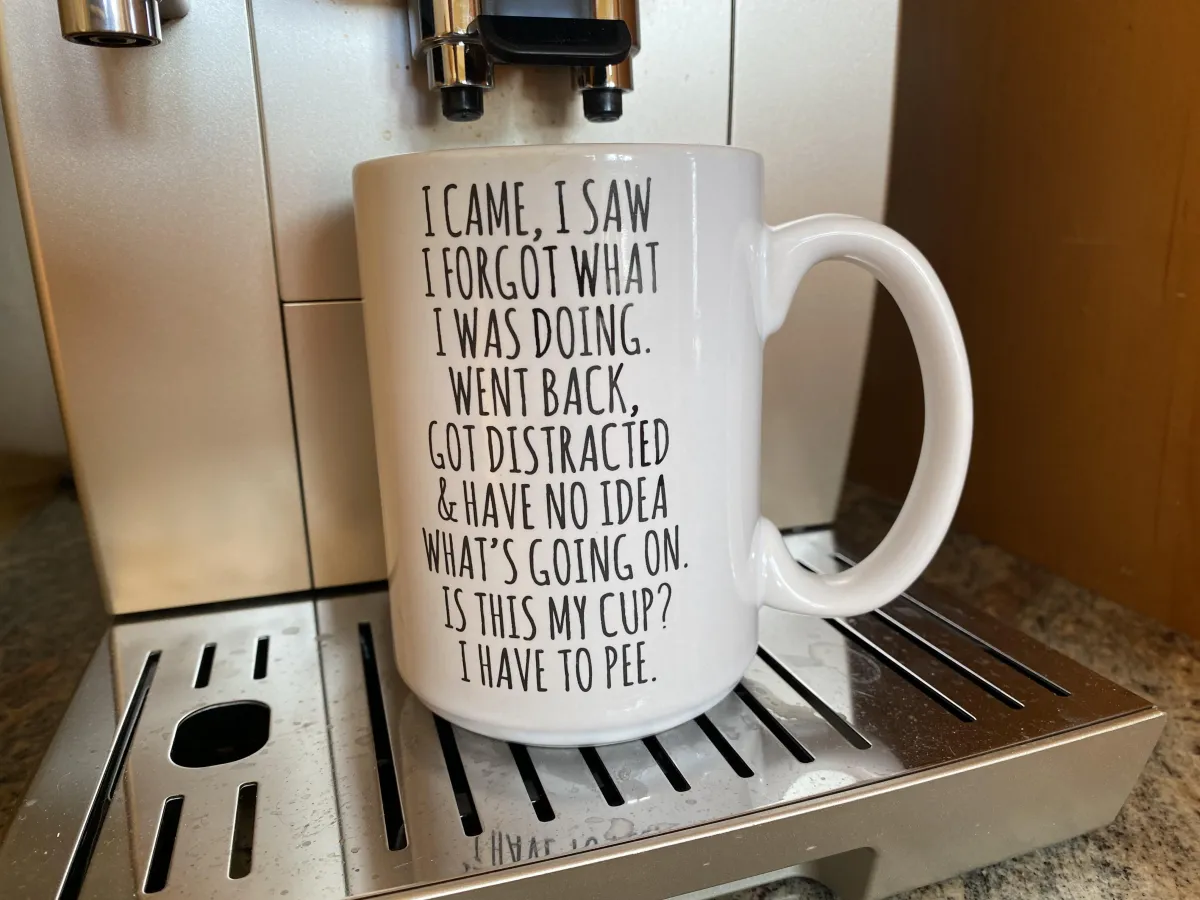
You walk into a room and forget why. You open your laptop and … nothing. Someone asks a normal question and your mind goes blank like a rebooting computer with the spinning rainbow wheel. Or my favorite: you think of something you need to do or look up on your phone, and in the two seconds it takes to pick up your phone, you forget why you picked it up and start doing something else.
And then you feel frustrated, afraid, and angry at what your cancer treatment has taken from you. You judge yourself, and you wonder whether you are safe to be at work.
Nope. We’re not doing that today.
Here’s the reality: after cancer (and often after the trauma of treatment), your brain and nervous system can act like they’re still on high alert. When cancer came into your life, you had less ability to focus on other things—and for now, your bandwidth is still smaller. Your working memory gets glitchy. Then add in a touch of chemo brain, maybe an aromatase inhibitor, or poor sleep, and suddenly you feel like you can’t remember anything anymore. And focus? Forget about that.
And if you’re also juggling fear, appointments, work demands, and the emotional fallout—of course your brain can’t “brain” the way it used to.
So what do you do?
Not “push harder.” That’s the old strategy. The one that worked … until it didn’t.
You can build simple systems that make life easier without requiring your brain to be at 100%.
Here are a few:
Pick one external brain. ONE place where everything goes. A notes app on your phone, a notebook, a task manager—it doesn’t matter. What matters is one home. If your reminders are scattered across sticky notes, texts, and 14 (or 114) open tabs, your brain won’t be able to keep track of it all. One exception: if you’re somewhere it’s not okay to pull out your phone, a sticky note is fine temporarily. Just transfer it as soon as you can.
If it was easy to misplace things before cancer, it’s probably even easier now. So make it as simple as possible. Same place, every time. Pick one place for important things, and be consistent. If your keys go in your purse or fanny pack, they go there every time. If they live on a hook at home, put them there as soon as you walk in. Not on the counter “for now.” Every time.
And if you’re trying to store something you don’t use often and you’re worried you won’t find it later, try this: don’t think about where you should put it. Think about where you’ll actually look for it. Put it there. Then leave yourself a note in your phone or email so you can search for it when you need it.
Use the Two-Minute Capture Rule: if you think of something (call the pharmacy, reply to that email, order the thing), don’t trust yourself to remember later. Write it down immediately. Your brain is not a storage unit right now. It’s a processor.
A lot of productivity experts recommend doing a task if you can do it in under two minutes. This is great advice if you’re processing your inbox or doing something similar and you come across something you could do quickly.
But if you are in the middle of something else when a thought occurs to you, stopping to do that thing, even if it will only take a minute, will totally derail you from what you were doing. It’s way better to just capture the thought by writing it down on a list to be taken care of later.
Create default routines for repeat situations.
Morning meds? In a day-of-the-week pill box, with an alarm set in your phone. Seriously—you may not remember whether you took your pills, but if you look at the day-of-the-week box, you’ll know.
Going to work, the gym, or an appointment? Have a checklist for what to bring with you.
Have a travel packing list. That way you only forget an item once. After that, it goes on the list.
Decision fatigue is real. Defaults save you.
Create SOPs (standard operating procedures) for anything you don’t do often enough that it’s automatic. And even then, think about creating the SOP so you can hand the task off to someone else.
Make your day smaller on purpose. Not because you’re weak. Because you’re recovering. Choose the three things that matter today. Not twenty. Three. You were probably doing way too much anyway. Let this be your reason to let some of it go. And yes—if you used to pride yourself on doing everything? This is going to feel uncomfortable. That’s fine. Discomfort is not danger.
And please hear this: you are not broken. You are rebuilding.
And if a part of you is panicking—What if this is permanent? What if I can’t do my job?—you don’t have to white-knuckle that fear alone or suffer in silence. Get it evaluated. Get support. Get help building systems. Not because you’re failing, but because you’re being realistic—and smart. Because your brain doesn’t need more pressure. It needs more support.
To receive the blog and content like this right to your inbox, click here:
Write to me at [email protected] to let me know what you'd like help with, or book a call:
Click here to book a "From Surviving To Thriving" Breakthrough Call

Release It! ...Forever/
Thriving Beyond Cancer
Premium Coaching
...With Dr. Jill Rosenthal
Email: [email protected]
Copyright 2025 Release It!...Forever LLC